


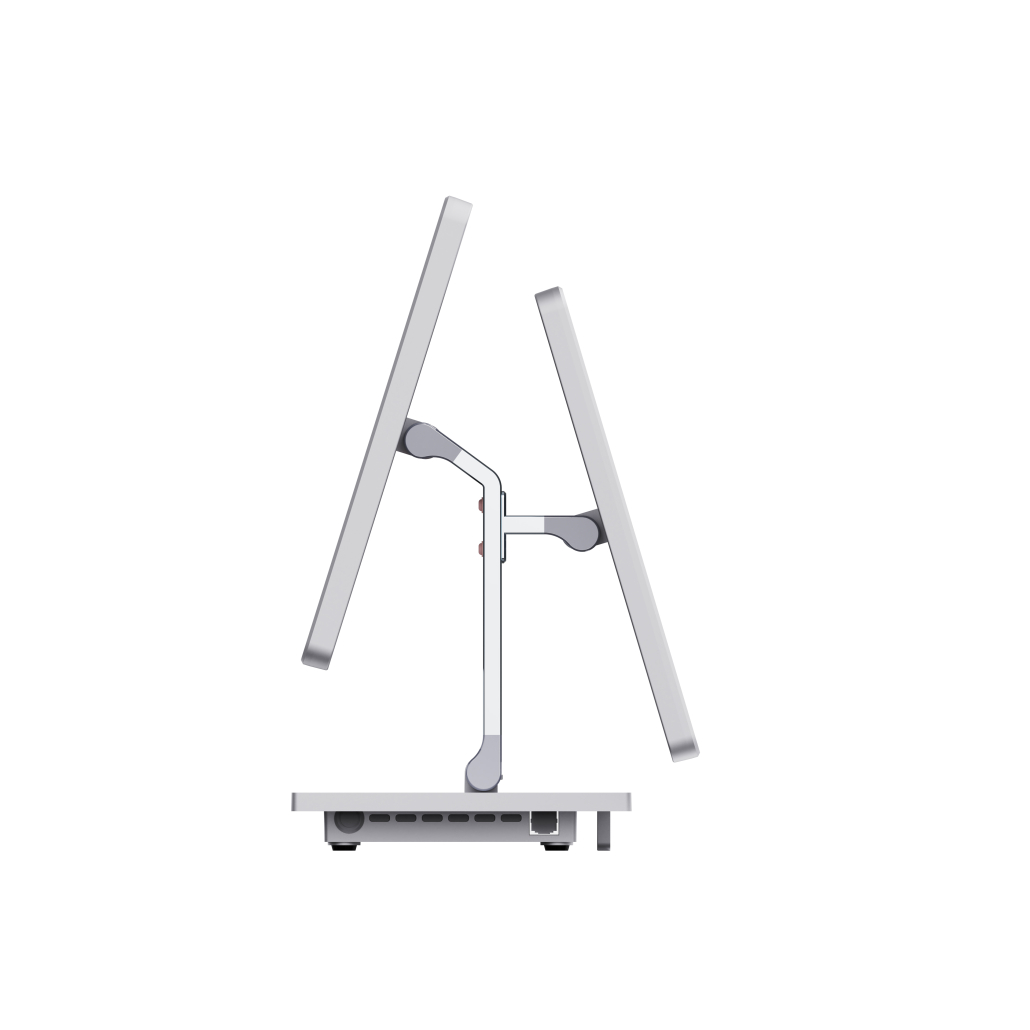



POS Systems: Transforming Retail, Warehousing, and Supply Chain Operations
Point of Sale (POS) systems have evolved into powerful, multifunctional tools that go far beyond simple transaction processing. Whether in retail, warehousing, or supply chain management, modern POS systems play a crucial role in improving efficiency, enhancing customer experience, and streamlining operations across industries.
In Retail: Enhancing Customer Experience and Operational Efficiency
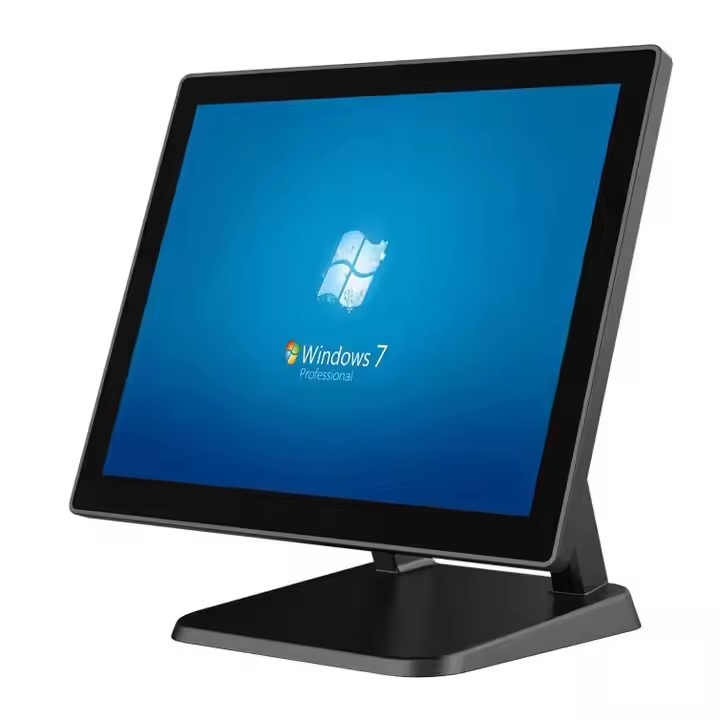
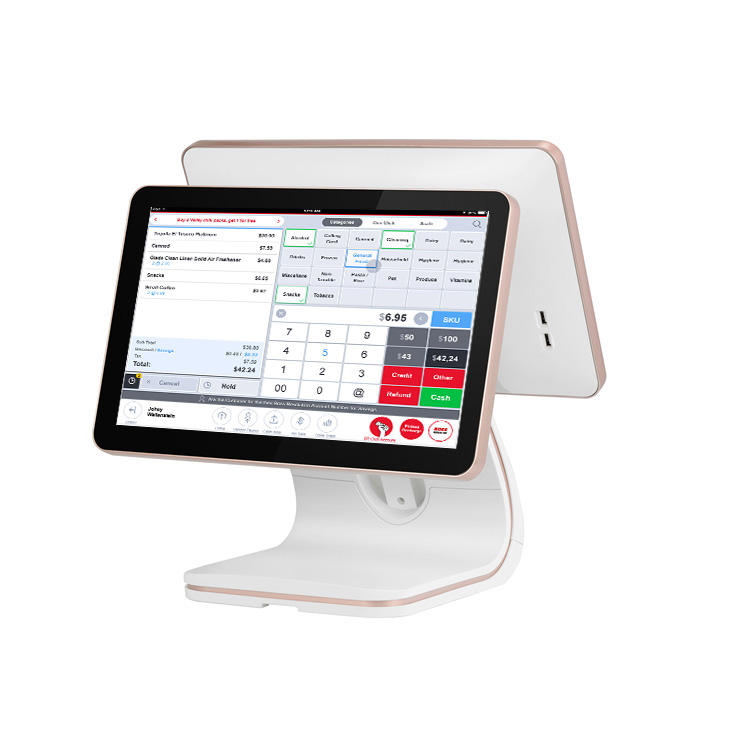
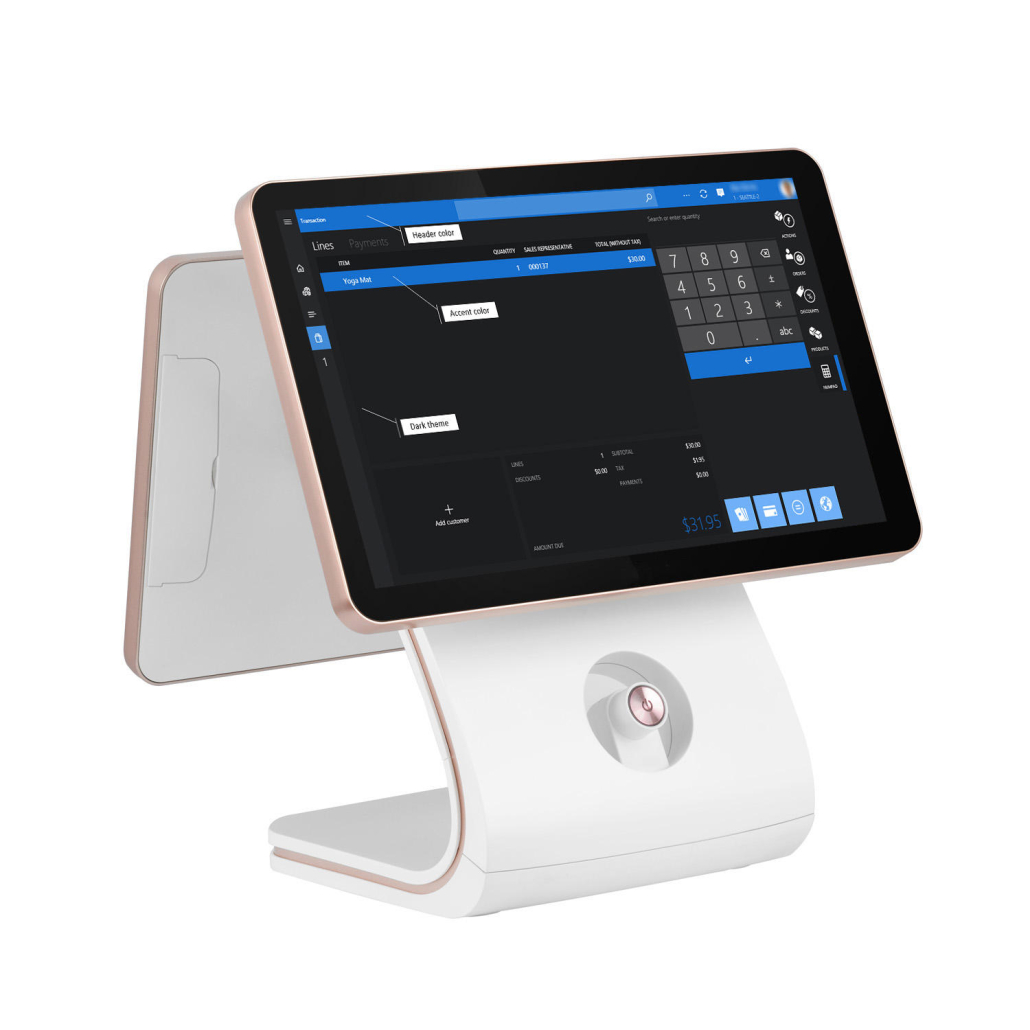
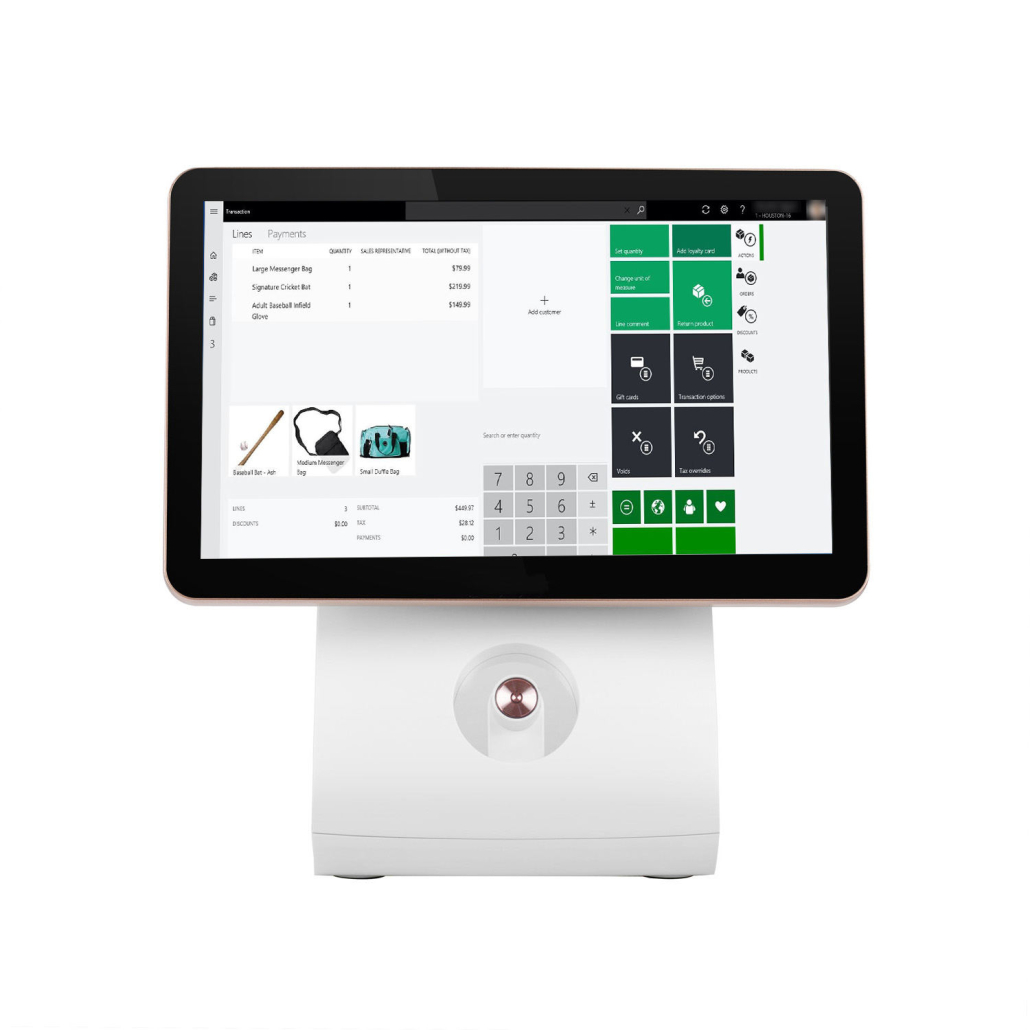
In the retail sector, POS systems are the backbone of day-to-day operations, enabling businesses to process sales quickly and accurately. A well-integrated POS system allows employees to check out customers faster, reducing wait times and improving overall satisfaction. With features like touchscreen interfaces, cloud compatibility, and multi-device synchronization, retailers can offer a smoother, more efficient shopping experience.
Additionally, advanced POS systems integrate seamlessly with inventory management and customer relationship management (CRM) tools, allowing retailers to track inventory in real-time, manage stock levels, and monitor customer purchasing behaviors. This integration not only simplifies day-to-day tasks but also provides valuable insights that can be used for personalized marketing and better inventory control.
For businesses that operate across multiple locations, modern POS systems enable centralized management and reporting. This means store owners and managers can monitor sales, stock levels, and employee performance from a single dashboard, improving decision-making and operational oversight.
In Warehousing: Streamlining Operations and Inventory Management
In a warehouse environment, a robust POS system can streamline operations by improving inventory accuracy and simplifying order fulfillment. POS systems in warehouses are not just for checkout; they are used for managing stock, tracking incoming and outgoing shipments, and assisting with the picking and packing process.
When integrated with barcode scanners and mobile computing devices, POS systems make it easy to scan and track inventory in real-time. This reduces the likelihood of stock discrepancies and helps maintain accurate records of product movement. Barcode scanning capabilities within the POS system also make it quicker and more efficient to check inventory levels, process returns, and complete order fulfillment.
With the right POS system, warehouses can automate many of the processes that were once done manually, from generating packing lists to printing shipping labels. This not only speeds up the workflow but also minimizes human errors, ensuring that orders are picked, packed, and shipped correctly.
In Supply Chain: Enhancing Visibility and Real-Time Data Tracking
POS systems play a vital role in the supply chain by improving transparency and providing real-time tracking of goods as they move through various stages of the supply chain. From the point of origin to the end consumer, POS systems capture critical data, allowing businesses to track the status of shipments, monitor stock levels, and ensure timely deliveries.
With cloud-based POS systems, businesses can access real-time data from anywhere, enabling supply chain managers to monitor the flow of products and make decisions on the fly. This level of visibility is invaluable for improving efficiency, reducing delays, and preventing costly disruptions in the supply chain.
Moreover, modern POS systems can be integrated with accounting software and enterprise resource planning (ERP) systems, allowing for automated data synchronization and reporting. This integration ensures that businesses maintain accurate financial records, track the cost of goods sold, and streamline their financial operations.
Why Invest in a High-Quality POS System?
A high-performance POS system is more than just a checkout tool—it’s an all-in-one solution that can enhance business operations, improve customer experience, and increase overall efficiency. When choosing a POS system for your business, consider the following features to ensure it meets your needs:
- User-Friendly Interface: A POS system with an intuitive, easy-to-use interface will reduce training time for employees and improve operational efficiency.
- Speed and Reliability: Fast transaction processing is essential, especially in high-volume retail environments. A reliable POS system ensures smooth, uninterrupted operations during peak hours.
- Inventory Integration: The ability to seamlessly track inventory in real-time reduces stockouts and overstocking issues, helping businesses maintain optimal stock levels.
- Security Features: With the increasing importance of data protection, POS systems must offer robust security measures, including end-to-end encryption for payment transactions and secure customer data storage.
- Scalability: As your business grows, your POS system should be able to scale with you. Look for systems that can easily accommodate additional locations, devices, and users.
- Cloud Compatibility: Cloud-based POS systems offer flexibility, remote access, and real-time data updates, ensuring that business owners can manage operations from anywhere.
Whether you’re a small retail store, a large warehouse, or part of a complex supply chain network, investing in a high-quality POS system can significantly improve operational efficiency, enhance customer service, and provide valuable insights that drive business growth. By leveraging the latest POS technology, businesses can streamline workflows, reduce costs, and stay competitive in an increasingly fast-paced market.